EXPOSURE
Hold still for minutes
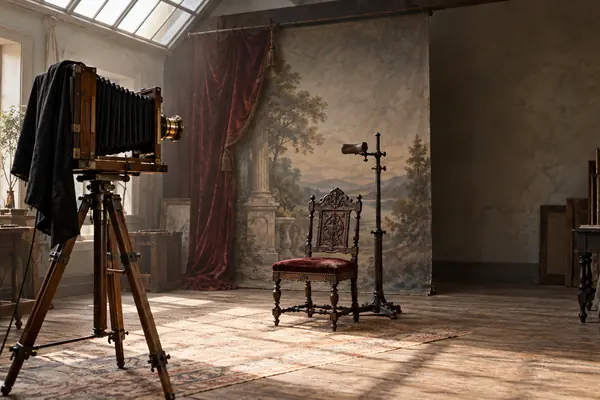
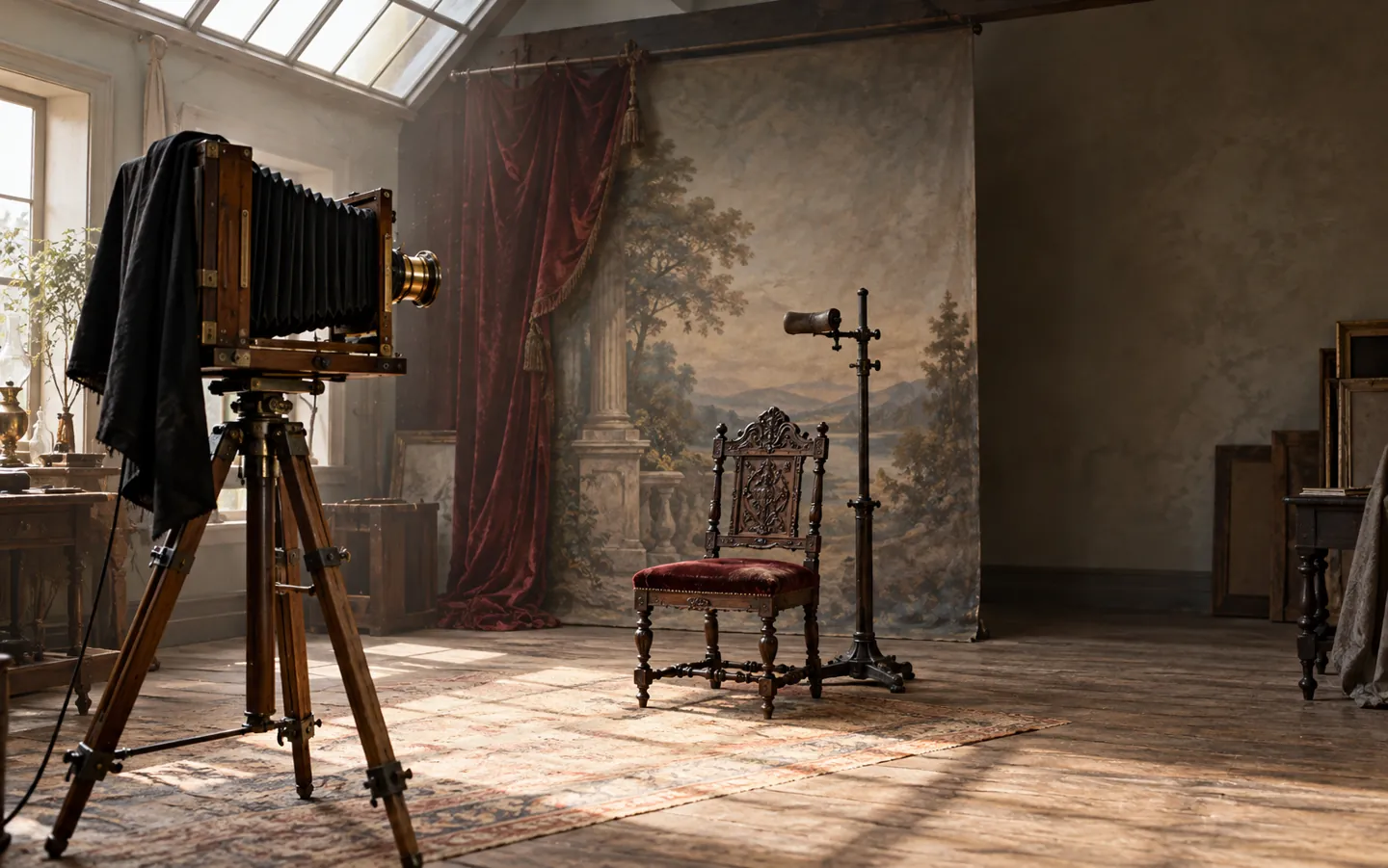
The first daguerreotypes in 1839 needed 15 to 30 minutes for larger plates. By 1842 small portraits took 10 to 60 seconds, with head rests to keep sitters still.
Compare the eras doodlesmiles
A SHORT HISTORY OF THE CAMERA SMILE
Our great-great-grandparents were not all miserable.
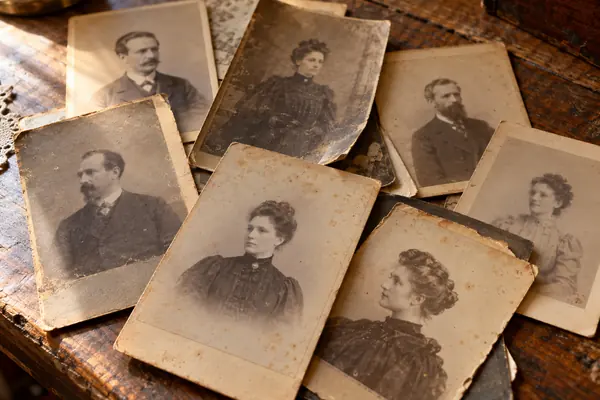
For most of history, a broad smile in a portrait was hard to hold and seen as poor manners. Early photographs needed long exposures, and sitters were even told to say 'prunes' to keep their mouths small. A study of 168,055 school yearbook portraits shows how the smile then took over.
1839 exposures of 15 to 30 minutes
Compare the erasTHE SHORT ANSWER
It was not mainly about bad teeth.
Exposure times and etiquette mattered more.
EXPOSURE
The first daguerreotypes in 1839 needed 15 to 30 minutes for larger plates. By 1842 small portraits took 10 to 60 seconds, with head rests to keep sitters still.
Compare the erasMANNERS
A 1703 etiquette guide said nature gave us lips to conceal our teeth. In art, broad smiles were long linked with the poor, the drunk and the entertainers.
The bad teeth mythHABIT
Yearbook portraits show smiles growing rapidly from the 1900s to the 1950s, a trend that still continues, with women consistently smiling more than men.
See the numbers
FOUR THINGS TO TRY
Next time you look through a family album or an archive, these points help explain the faces looking back at you.
A stiff, closed-mouth face suggests an older studio portrait. Broad, toothy smiles became the norm across the first half of the 20th century.
In early studio portraits, a stand or clamp behind the sitter often kept the head still during the exposure.
Pose for a slow self-timer. A smile quickly turns into a grimace when held, which is one reason painters and early photographers avoided it.
Your passport photo asks for a plain expression and a closed mouth, a modern rule that looks a lot like the Victorian habit.
TWO NUMBERS WORTH KNOWING
One figure from the first photographs,
one from a century of school portraits.
15–30 min
Exposure for a larger daguerreotype plate
By 1841 small plates took 20 to 90 seconds, and by 1842 10 to 60 seconds. England's first daguerreotype portrait studio opened in London's Regent Street on 23 March 1841.
EXPOSURE · 1839
168,055
American high school yearbook portraits studied
Measuring the curve of the lips in each face, the researchers found smiles grew rapidly from the 1900s to the 1950s and kept growing, with an unexpected dip from the 1950s to the 1960s.
YEARBOOKS · GINOSAR ET AL.
The yearbook researchers say their data corroborate earlier historical work suggesting that photography firms' advertising, which linked snapshots with happy occasions, helped make the smile the expected expression for the camera.
A QUICK ERA CHECK
Pick a moment in the history of the portrait to see what shaped the sitter's face. The bar shows how likely a smile was.
Based on photohistory-sussex.co.uk on daguerreotype exposure times, the Public Domain Review essay The Serious and the Smirk, Ginosar et al. (2015/2017) on yearbook portraits, and GOV.UK passport photo rules.
THE BAD TEETH MYTH
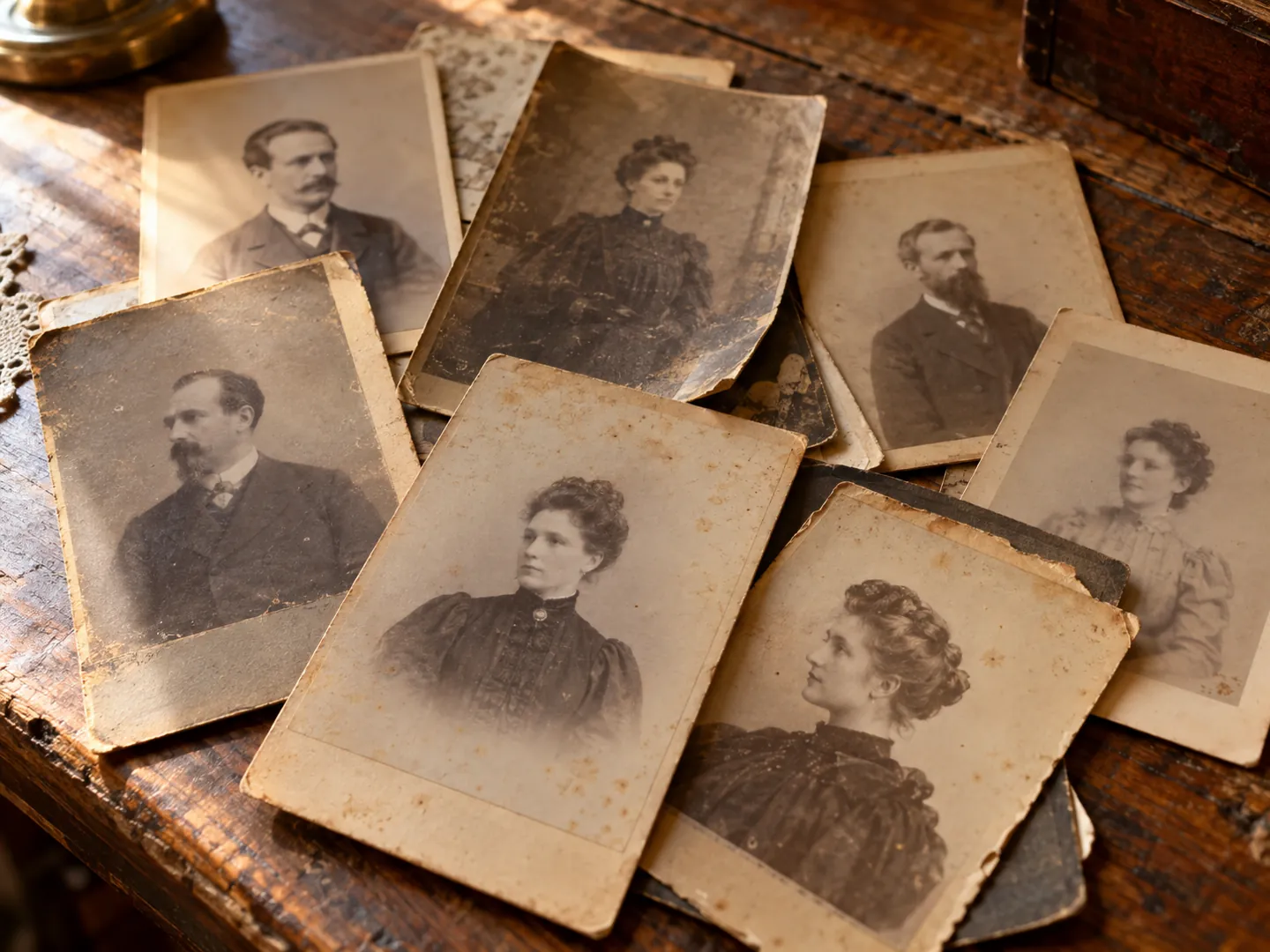
It is often said people did not smile in old pictures because their teeth were bad. The Public Domain Review argues this is not really true: poor teeth were so common they were not seen as spoiling someone's looks.
The bigger reasons were practical and social. A broad smile is hard to hold, and for centuries showing the teeth was a breach of etiquette for the upper classes. A smiling portrait would have made the picture about the smile, which was rarely what the sitter wanted.
Questions
Early exposures were long, from 15 to 30 minutes for larger plates in 1839, and sitters followed the habits of painted portraits, where a serious face was expected and showing the teeth was seen as poor manners.
Probably not mainly. The Public Domain Review notes bad teeth were so common they were not seen as unattractive; the difficulty of holding a smile and etiquette were bigger factors.
According to the history cited in the yearbook study, Victorian sitters were told to say 'prunes' rather than 'cheese' to keep the mouth small, as beauty standards preferred.
A study of 168,055 American yearbook portraits found smiles rising rapidly from the 1900s to the 1950s. By the Second World War, smiling portraits had become the norm.
No. GOV.UK asks for a plain expression with your mouth closed. Children under 6 do not have to have a plain expression.
Updated
ABOUT THIS NAME
doodlesmiles.com is part of the DoodleSale portfolio. It isn't in an auction right now, but you can ask about leasing it.